
Exploring Gyrocopter Drone Technology Innovations
Intro
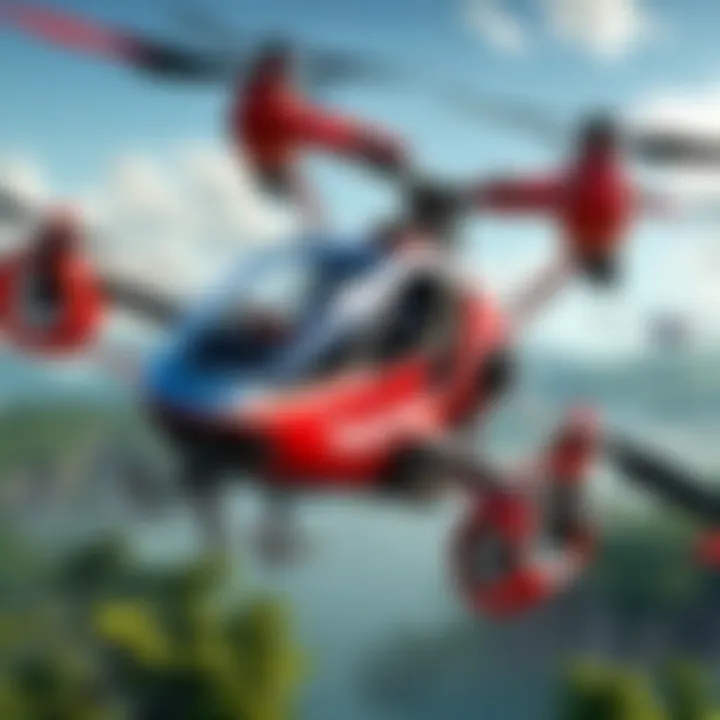
The world of aviation has recently seen a surge in hybrid technologies that blend traditional designs with modern capabilities. Among these innovations, gyrocopter drones are carving out their own niche. These machines are more than just a fancy fusion of two technologies; they represent an advancement in how we think about aerial transport and drone functionality.
Understanding Gyrocopter Drones
Before taking a closer look at the applications and advancements, it’s essential to grasp what exactly gyrocopter drones are. Essentially, they combine the principles of gyrocopters—known for their simplicity, stability, and efficiency—with the advanced capabilities of drones, primarily in areas such as automation and remote control.
- Basics of Gyrocopter Technology
Gyrocopters, also called autogyros, utilize a rotating rotor to provide lift and a conventional propeller for thrust. This combination enables a slower approach speed, making them suitable for various take-off and landing environments. - Drone Technology
Drones, or UAVs (Unmanned Aerial Vehicles), have seen rapid advancements in navigation, aerial photography, and automation. By incorporating these features into a gyrocopter framework, a new hybrid emerges, potentially leading to novel operational capabilities.
Applications Across Industries
Gyrocopter drones harness the advantages of both technologies, leading to a plethora of applications. Industries could exploit these benefits as follows:
- Agriculture:
Farmers could utilize gyrocopter drones for precision farming. With their ability to hover and maintain stability, they can perform aerial surveys, pesticide applications, and crop monitoring efficiently. - Public Safety:
In emergencies, gyrocopter drones could serve as vital resources, allowing for rapid assessment of situations and monitoring disaster zones without risking human lives. - Logistics and Transport:
The logistics sector is always on the lookout for faster and more efficient delivery methods. Gyrocopter drones could change the game by enabling swift transport in hard-to-reach locations.
Technological Advancements Enabling Innovation
The fusion of gyrocopter and drone technology has been made feasible by several advancements in technology:
- Improved Battery Life:
Innovations in battery technology have led to longer flight times and operational ranges, which are crucial for any aerial operation. - Enhanced Navigation Systems:
Modern GPS and automated flight systems allow for increased precision in navigation and the ability to handle complex flight paths, making the operation of gyrocopter drones much more reliable. - Lightweight Materials:
The use of modern lightweight materials has made it possible to design gyrocopter drones that are not only efficient but also capable of carrying heavier payloads compared to traditional drones.
"The blend of gyrocopter stability and drone automation opens the door for unprecedented versatility in aerial operations."
Regulatory Considerations
As we stride into a new era with gyrocopter drones, the regulatory framework needs to keep pace. Understanding airspace regulations and safety guidelines will be crucial, not just for manufacturers and operators but also for safety stakeholders and the general public. Navigating these regulations can be a maze, making it necessary for those involved to stay informed about changes, new policies, and best practices.
Looking Ahead: Market Analysis and Future Prospects
The marketplace for gyrocopter drones is still taking shape, driven by the growing needs of industries for innovative solutions. Competitive analysis indicates a diverse range of manufacturers and emerging players looking to capitalize on this evolving technology. As interest grows, we can expect to see further development, investment, and, undoubtedly, exciting new applications emerge.
Preamble to Gyrocopter Drones
In the world of aviation, innovation often springs from the blend of established technologies with fresh ideas. Gyrocopter drones stand as a prime example of this fusion, capturing the imagination of enthusiasts and professionals alike. As we venture into this topic, it’s crucial to grasp how these unique aircraft operate and why they are becoming increasingly relevant in various sectors, including agriculture, logistics, and emergency services.
Definition and Overview
Gyrocopter drones, at their core, marry the characteristics of traditional gyrocopters with those of modern drone technology. Unlike fixed-wing aircraft or standard drones, gyrocopter drones utilize rotor systems that allow them to hover with enhanced stability. This hybrid design enables vertical takeoff and landing (VTOL) capabilities while maintaining the ability to cover considerable distances. Their lightweight structure paired with advanced flight control systems allows for exceptional maneuverability, making them well-suited for complex tasks.
In simpler words, imagine a flying machine that can whirl around tight corners while also soaring over vast fields. This capability speaks not just of novelty but also of practicality, making gyrocopter drones increasingly attractive to industries looking for effective aerial solutions.
History of Gyrocopter Technology
The evolution of gyrocopter technology is a tale of ingenuity and persistence. The roots can be traced back to the early 20th century, when the concept of rotary-wing flight was initially explored. The gyrocopter gained recognition during the 1930s thanks to the ingenious designs of inventors like Juan de la Cierva, who believed that a backward rotor design could ensure greater control and safety. Over the decades, the gyrocopter has undergone several transformations, moving from simple mechanical designs to the sophisticated models we see today.
As technology advanced, notably in materials science and aerodynamics, the transition to incorporating drone technology emerged. The integration of computer technologies and electric propulsion systems opened new horizons for gyrocopters, leading to the development of gyrocopter drones we are now seeing in the skies.
"Innovation is not just about creating but also about combining what's already there in smarter ways."
Today, we stand on the brink of a new chapter in aviation history, where the lines between different types of aircraft and their capabilities are becoming increasingly blurred. As industries begin to recognize the potential of gyrocopter drones, we delve into their applications and the challenges they face in a rapidly evolving landscape.
Understanding Drones
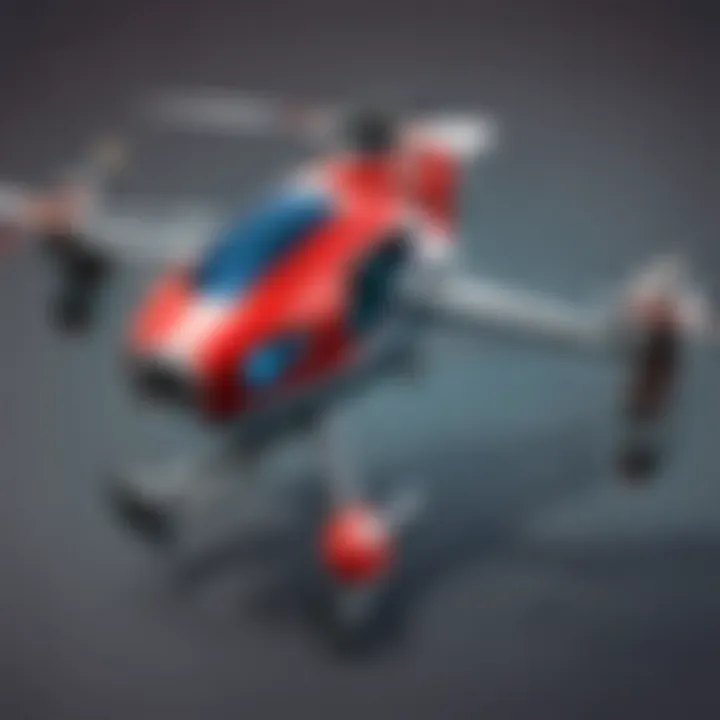
To appreciate the revolutionary impact of gyrocopter drones, one must first grasp the broader context of drone technology as a whole. Understanding drones is essential as they redefine the dynamics of aerial mobility and expand the horizons of various industries. Drones have transitioned from niche toys to robust tools integral to sectors like agriculture, logistics, surveillance, and beyond. The nuances of this tech are not only fascinating; they play a pivotal role in innovation that affects everyday life.
Drones come with an array of advantages. Firstly, they enhance operational efficiency. For businesses that depend on rapid delivery, such as e-commerce companies, drones allow for swift transport of goods. This agility can improve customer satisfaction significantly.
Secondly, drones open the door to data collection that was previously thought to be cumbersome. For instance, farmers can utilize drones for satellite imagery, which provides insights on crop health, soil conditions, and even pest presence without manual checks.
In learning about drones, it’s crucial also to recognize the considerations that come into play. Among these are safety regulations and privacy concerns that are often hotly debated. Striking a balance between innovation and societal norms is not just a challenge but a necessity in shaping the future of drone technology.
"The evolution of drone technology will lead to unprecedented possibilities, but it also invites us to consider the ethical implications of their use."
Types of Drones
Drones vary widely in both function and design. Understanding these variations is fundamental to appreciating their utility. There are several types, including:
- Multirotors: These are the most common type, characterized by the presence of multiple rotors. They are known for their stability and ease of use, making them popular among hobbyists and professionals alike.
- Fixed-Wing Drones: These resemble traditional airplanes and are known for long endurance and high-speed capabilities. While they require more space for takeoff and landing, their efficiency in covering large areas is unmatched.
- Single Rotor Drones: Combining aspects of helicopters and fixed-wing designs, these drones offer greater lift capabilities and can be outfitted with heavier payloads.
- Hybrid Drones: Combining features from multirotors and fixed-wing drones, hybrids offer versatility in flight, making them suited for complex tasks.
Each type serves a distinct purpose, tailored to the needs of various industries, from cinematic filming to surveying vast landscapes. The wide range of applications speaks volumes about the importance of understanding the different drone types.
Key Components of Drones
The inner workings of drones are a tapestry woven from various crucial components that ensure functionality and performance. Knowing these parts is vital for anyone interested in drone technology.
Some key components include:
- Frame: The structure that holds all drone components together. Typically constructed from lightweight materials like carbon fiber or plastic, which helps in achieving better flight efficiency.
- Motors: Essential for powering the propellers. Brushless motors are prevalent, offering better efficiency and lifespan compared to brushed motors.
- Propellers: These create lift by pushing air downwards. Their size and pitch can drastically influence flight characteristics.
- Flight Controller: The brain of the drone, it processes inputs from various sensors and controls the motors accordingly.
- Battery: Powering everything, batteries are critical, with LiPo (Lithium Polymer) being the most common type used due to their high energy density.
Knowledge of these components can enhance one’s ability to troubleshoot issues and undertake upgrades or repairs. For enthusiasts and professionals alike, the intersection of various technology components lays the groundwork for understanding the innovative capacity of drones.
Overall, grasping the basics of drone technology serves as an essential foundation for appreciating the specific advancements brought forth by gyrocopter drones.
Technical Specifications of Gyrocopter Drones
Understanding the technical specifications of gyrocopter drones is key to grasping their role in modern aviation and how they stand as a bridge between traditional flying machines and contemporary UAVs. These specifications not only reflect performance metrics but also influence their effectiveness across various applications, from agriculture to search and rescue.
Aerodynamics and Design
Aerodynamics plays a pivotal role in the design of gyrocopter drones. The unique rotor system, which allows these aircraft to maintain lift at lower speeds, sets them apart from other common UAVs. Their design focuses on optimizing airflow around the blades—this detail might sound mild, yet it's a game-changer in the world of aeronautics.
The rotor's angle and the fuselage shape contribute to reducing drag and enhancing stability.
Gyrocopters generally feature a low center of gravity and a wider rotor span. These attributes help in creating more controlled flight paths, especially under turbulent conditions. This is a big advantage when payload capacities and operational safety come into play, specifically when you consider demanding environments like disaster zones or rural terrains. In fact, the design permits prolonged flight durations and efficient fuel use, which is why they are seen developing a dedicated niche in sectors such as remote surveying or precision agriculture.
"An understanding of airflow can fundamentally shift how we engage with these machines. It’s not just about flying; it’s about precision."
Several factors in design must be viewed holistically:
- Weight Distribution: The balanced load is essential for effective maneuverability.
- Ruggedness: Built to endure various conditions, gyrocopters boast durable materials that withstand harsh environments.
- Aerodynamic Features: Elements like streamlined bodies, laminar flow regions, and appropriate wing sizing all play into the drone’s efficiency.
Power Sources and Propulsion
When it comes to propulsion systems, the gyrocopter drones utilize a blend of traditional and innovative technologies. Understanding these power sources is crucial because they directly influence the aircraft's operational range and efficiency.
Typically, these drones are powered by internal combustion engines or electric motors, which can vary in their configuration. The choice of propulsion affects not only efficiency but also emissions—important in an era where sustainability is at the forefront of aviation discussions.
- Internal Combustion Engines: Often chosen for their reliability and power output, these engines offer longer ranges but can be heavier.
- Electric Motors: With growing advancements in battery technology, electric motors are gaining traction. They produce less noise and create minimal environmental impact, making them suitable for urban applications.
- Hybrid Systems: Some gyrocopter drones utilize a combination of both, leveraging the best of both worlds to enhance overall performance while maintaining lower operational costs.
The propulsion system also includes several essential components like:
- Propellers: Critical for thrust generation; well-designed propellers contribute to overall flight efficiency.
- Battery Systems: In electric models, battery weight, type, and capacity are fundamental for determining flight endurance.
- Fuel Tanks: For combustion engines, the positioning and size of fuel tanks directly impact payload and balance.
In summary, the technical specifications of gyrocopter drones aren't just numbers and figures; they encapsulate years of aeronautical innovation. Each element, from design to power sources, plays a critical role in defining what these machines can achieve in various sectors, confirming their potential as a versatile tool in the modern aerial landscape.
Advantages of Gyrocopter Drones
Gyrocopter drones represent a promising fusion of airplane and drone technologies, creating a unique set of benefits. As industries are increasingly looking for innovative solutions, understanding the key advantages of these hybrid models becomes essential. Distinct from traditional drones and aircraft, gyrocopter drones manifest significant perks that encompass maneuverability, stability, safety, and operational versatility. Each advantage serves a specific need, catering to diverse applications, whether in agriculture, search and rescue, or commercial ventures.
Enhanced Maneuverability
One of the standout traits of gyrocopter drones is their remarkable maneuverability. This characteristic derives from their rotor design and the lightweight materials used in their construction. Unlike fixed-wing aircraft, gyrocopter drones can operate effectively in tight spaces. They're capable of making sharp turns and rapid ascents or descents, enabling them to navigate complex terrains with ease. This flexibility offers crucial benefits in emergency scenarios where precise movement might make the difference in executing a successful operation.
Imagine a search and rescue operation in a dense forest where obstacles like trees and underbrush present challenges. A gyrocopter drone, with its agility, can swiftly adjust its flight path to zero in on a specific target. This adaptability is invaluable not just in search missions, but in agricultural monitoring and inspection activities. For instance, a farmer can use a gyrocopter drone to survey land for pest damage or disease, ensuring efficient data collection and quicker response times.
The ability to hover and move laterally can also mean that these drones reduce the risk of collisions when flying in crowded airspaces or near structures.
Improved Stability and Safety
Safety in aviation cannot be overstated, and gyrocopter drones excel in stability during flight. Gyrocopters have a unique rotor system that generates lift through autorotation, which adds a level of safety. In the event of engine failure, a gyrocopter drone can glide down gently, rather than plummeting to the ground. This capability significantly mitigates risks associated with flight, which is particularly important for commercial uses.
Operational safety is closely tied to the ease of flying these machines. Their design tends to allow for smoother operations under varying weather conditions, a boon for industries reliant on consistent aerial data. The stability during takeoff, cruising, and landing phases is crucial, especially for high-stakes industrial inspections or emergency services.
Considerations for Safe Operation
- Terrain Awareness: Operators must stay vigilant about the evolving environments where gyrocopter drones are utilized.
- Technical Training: Adequate training ensures that pilots maximize the safety features inherent in gyrocopter designs.
Gyrocopter drones are indeed turning heads with their remarkable benefits, enhancing what we can achieve in fields that demand precision and reliability.
Applications of Gyrocopter Drones
The emergence of gyrocopter drones bridges the gap between traditional aviation and groundbreaking drone technology, creating a niche with wide-ranging applications. Their hybrid design allows for unique functionalities, transforming industries like agriculture, emergency response, and logistics. The innovations and flexibility inherent in these drones underscore their potential, challenging old norms and carving paths for new possibilities. Understanding the specific uses of gyrocopter drones can enlighten stakeholders about their significance and the benefits they bring to various sectors.
Agriculture and Environmental Monitoring
In agriculture, gyrocopter drones are reshaping how farmers manage crops and monitor land. Unlike simple unmanned aerial vehicles (UAVs), gyrocopter drones can cover wide areas with efficiency thanks to their enhanced stability and ability to hover. For instance, a gyrocopter drone can be deployed to survey a large soybean field, gathering data on plant health and soil conditions. These drones are equipped with sensors and cameras that provide high-resolution images and multidimensional data analyses. Farmers can promptly identify problem areas, allowing for targeted interventions, which ultimately improves yield and decreases waste.
Moreover, in environmental monitoring, these drones are a game-changer. They can access remote locations that may be hard to reach with traditional vehicles. For example, monitoring the effects of climate change on ecosystems becomes more manageable with gyrocopter drones as they can gather data from hard-to-reach mountain terrains or dense forests. Their ability to cruise steadily at various altitudes means they can correctly gauge air temperature, moisture levels, and other variables that are crucial in a warming planet.
Search and Rescue Operations
The capabilities of gyrocopter drones are particularly paramount in search and rescue operations. When natural disasters strike, time is of the essence. These drones can be essential for locating missing individuals in disaster-stricken areas. For example, in flood conditions, traditional helicopters may face limitations due to low visibility and challenging weather. Gyrocopter drones, on the other hand, can maneuver through tighter spaces and lower altitudes. Their design allows them to maintain stability and control, even in windy conditions.
With thermal imaging technology, gyrocopter drones can spot heat signatures of individuals lost in disaster zones. This multi-functionality means that rescue teams can deploy drones to quickly assess situations and allocate resources more effectively. Additionally, they can relay real-time video to ground teams, assisting in strategic decision-making without putting human lives at risk during initial assessments.
Commercial Delivery Services
In the realm of logistics, gyrocopter drones hold the potential to reshape delivery models. Companies can utilize these drones to navigate urban landscapes more effectively than conventional delivery methods. Imagine an online store like Amazon employing gyrocopter drones to deliver packages within city limits. Their agility enables them to bypass heavy traffic while reaching challenging locations efficiently, potentially reducing delivery times significantly.
These drones can also mitigate delivery costs in rural or hard-to-access regions. For instance, a gyrocopter drone can transport medical supplies to remote hospitals where traditional transport might take hours. This kind of swift action not only enhances service delivery but also can be life-saving.
In summary, the applications of gyrocopter drones are not just confined to one sector but span a variety of fields—each with the potential to revolutionize how tasks are executed. Stakeholders watching this intersection of technology should recognize that these drones are much more than a novelty; they are pivotal tools that embody the future of aviation and operational efficiency.
Challenges Facing Gyrocopter Drones
As technology continues to advance at an unprecedented pace, the field of aviation is not exempt from its fair share of challenges. Gyrocopter drones, combining the ingenious design of traditional gyrocopters with the versatility of modern drones, face hurdles that can affect their integration and widespread acceptance in various sectors. Understanding these challenges is crucial as it sheds light on potential pitfalls and areas that need attention or improvement.
Technical Limitations
Despite the innovative design of gyrocopter drones, certain technical limitations can impede their performance and reliability. One primary concern is the control systems used in these hybrids. Unlike traditional drones that often rely on electronic stabilization and multiple rotors, gyrocopter drones are influenced heavily by aerodynamic principles, making them more susceptible to weather fluctuations. When winds pick up or conditions worsen, the intuitive handling that users might expect may not be as reliable as with conventional drones.
Another limitation revolves around the payload capacity. While gyrocopter drones can lift more than typical quadcopters due to their rotor designs and lift mechanisms, they still struggle compared to larger fixed-wing aircraft. This means that when it comes to transporting heavy equipment, these drones might not always be the go-to option. An imbalance between weight and power can lead to resource inefficiencies, affecting operational costs and practicality.
"While the concept of gyrocopter drones is appealing, their limitations in control under varied conditions cannot be ignored."
Regulatory Hurdles
Navigating the regulatory landscape is crucial for any emerging technology, and gyrocopter drones are no exception. One significant challenge arises from existing aviation regulations. Depending on the country, definitions of aircraft vary, which can complicate the approval process for these drones. In many jurisdictions, they may not be classified definitively as either a drone or a traditional aircraft, leading to confusion in compliance.
Furthermore, airspace usage is another regulatory hurdle. As gyrocopter drones operate within the same airspace as manned aircraft, they must comply with rigorous safety standards to ensure that no accidents occur. Organizations like the Federal Aviation Administration (FAA) often require extensive testing and certification before permitting such devices to fly commercially. This lengthy process can hinder innovation and delay the practical use of gyrocopter drones in critical applications.
Lastly, public perception and privacy concerns play a part in regulatory challenges. Citizens may voice concerns over the safety of housing inhabited regions and the potential for surveillance. As companies venture into deploying these gyrocopter drones for delivery or monitoring purposes, they will need to address these socio-ethical considerations to gain community trust and facilitate smoother regulatory approval.
The Future of Gyrocopter Drone Technology
The future of gyrocopter drone technology is poised to reshape the aviation landscape in fascinating ways. As industries seek innovative solutions for efficiency and safety, the blend of gyrocopter and drone technology opens new avenues for exploration. This section delves into the key elements, the benefits of these advancements, and the challenges that lie ahead.
Emerging Trends
Several trends are taking root in the world of gyrocopter drone technology, indicating a shift toward enhanced performance and accessibility. One notable trend is the integration of advanced navigation systems. With developments in GPS and autonomous flight technology, gyrocopter drones are becoming more capable of operating in complex environments. They can now navigate urban landscapes and rural terrains with greater ease, opening the door for applications in delivery services and emergency response.


Another trend worth mentioning is the miniaturization of components. Manufacturers are finding ways to produce lighter and more compact parts without sacrificing performance. This miniaturization leads to more streamlined designs and improved fuel efficiency, which is beneficial in both commercial and recreational applications.
"As gyrocopter drones evolve, we may witness capabilities that were once reserved for fantasy become a reality."
The focus on sustainability is also gaining traction. Increasing environmental concerns have prompted manufacturers to explore eco-friendlier power sources, including hybrid and electric propulsion systems. This shift not only aligns with global sustainability goals but also expands the operational range of gyrocopter drones by reducing dependency on traditional fuels.
Potential Market Growth
The potential for market growth in gyrocopter drone technology is immense, driven by various industries recognizing the benefits this hybrid solution offers. According to recent analysis, industries like agriculture, logistics, and search-and-rescue are expected to adopt these drones widely. The integration of gyrocopter features, such as their ability to take off and land in confined spaces, positions them uniquely in sectors that demand flexibility and efficiency.
In the agricultural sector, for instance, the use of gyrocopter drones can revolutionize crop monitoring and management. These drones can navigate difficult terrains and provide detailed insights into crop health at a fraction of the traditional costs. The commercial delivery sector may also see a boom, with companies looking to gyrocopter drones for rapid delivery in highly populated areas.
Consideration should also be given to the potential regulatory changes. As technologies evolve, so too will the regulations governing airspace use. This dynamic landscape may create new opportunities for companies involved in gyrocopter drone technology to lead and influence policy changes that align with emerging capabilities.
The combination of evolving technology and increasing market demand presents a promising outlook for stakeholders involved with gyrocopter drones. As development continues, there will likely be substantial investment in research and innovation aimed at improving functionalities and addressing regulatory frameworks. In this fast-evolving sector, those who stay ahead of the curve may find themselves well-positioned in the aviation market.
Comparative Analysis with Other Aircraft
In the rapidly evolving world of aviation technology, understanding how different types of aircraft stack up against each other is crucial. This section examines the unique features and capabilities of gyrocopter drones in comparison to traditional aircraft types like fixed-wing aircraft and conventional drones. Through this comparative lens, we can uncover the strengths and weaknesses that define their roles in various applications. Such insights not only highlight their specific advantages but also suggest pathways for future development in aviation technology.
Gyrocopter vs. Fixed-Wing Aircraft
When comparing gyrocopter drones to fixed-wing aircraft, several key differences emerge. Gyrocopters are designed to take advantage of autorotation, a flight mechanism that promotes stability and safety during descent. This means that even if the power source fails, the gyrocopter can safely glide to the ground. Fixed-wing aircraft, on the other hand, rely on maintaining speed and a specific angle of attack for stable flight, making them more vulnerable during power losses.
- Maneuverability: Gyrocopters are exceptional at executing tight turns and hovering, allowing them to operate in smaller spaces and follow complex flight paths. This is a significant advantage in urban areas where space is limited. Fixed-wing aircraft generally require far more room to maneuver, making them less suited for intricate operations.
- Efficiency: Fixed-wing aircraft typically offer a longer flight distance due to more aerodynamic designs. However, gyrocopter drones can cover more ground per unit of power, thanks to their unique propulsion system. In applications requiring quick response times, gyrocopter drones may excel where fixed-wing alternatives falter.
- Cost and Maintenance: Generally, gyrocopters are simpler in design, leading to lower maintenance costs compared to their fixed-wing cousins. This affordability can make them accessible for a broader range of users, from hobbyists to commercial operators.
"The choice between a gyrocopter and a fixed-wing aircraft ultimately comes down to the specific requirements of the mission at hand."
Gyrocopter vs. Traditional Drones
While gyrocopter drones exhibit characteristics from both traditional gyrocopters and modern drones, they stand out in various ways when directly compared to conventional drones.
- Altitude and Range: Traditional drones are often limited in terms of range and altitude due to their battery constraints. Gyrocopter drones, benefiting from combustion engines or hybrid power sources, can maintain longer flights, making them more suited for extensive surveillance or monitoring tasks.
- Payload Capacity: Gyrocopter drones generally have a higher payload capacity than traditional drones. This allows them to carry more substantial equipment, such as high-resolution cameras or sensors, which can be crucial in applications like agricultural monitoring or search and rescue operations.
- Flight Time: Unlike fixed-wing and traditional drones, gyrocopters aren't as hampered by battery life. This capability opens up opportunities for prolonged missions without the need for frequent recharging, making them ideal for time-sensitive operations.
User Perspectives and Insights
Pilot Experience and Community Feedback
User feedback is an invaluable component in the evolution of gyrocopter drones. Pilots who actively engage with these aircraft can offer nuanced insights that help inform product development. These individuals often reflect on their hands-on experiences, detailing the unique challenges and benefits they encounter. For instance, many pilots express that gyrocopter drones provide an exhilarating flying experience, combining the maneuverability of traditional drones with the stability of gyrocopters. However, they also note issues such as battery life limitations and the need for simplified control interfaces at high speeds.
Community discussions, particularly on platforms like Reddit or aviation forums, are rich with empirical data. Pilots share tips on enhancing agility or addressing technical glitches based on real-world encounters. Feedback gathered from these communities is instrumental for engineers and designers. They serve as a roadmap, pointing out user demands ranging from better payload capabilities to more robust safety features.
- Key Takeaways from Pilot Experiences:
- Enhanced stability is frequently mentioned as a major advantage.
- Pilots express a need for improved battery technology.
- Control systems require user-friendly adjustments for varying skill levels.
Case Studies of Successful Implementations
In the realm of gyrocopter drone technology, examining specific case studies of successful implementations can shed light on best practices and innovations paving the way. One notable example involves the use of gyrocopter drones in agricultural settings. Farms have harnessed these hybrids for crop monitoring and maintenance, leading to improved yields and reduced resource consumption. A Midwest farm reported an impressive reduction in water usage by employing drones to assess moisture levels more accurately, allowing for targeted irrigation.
Another significant case study comes from search and rescue operations, where nimble navigation is paramount. In one instance, emergency responders utilized a gyrocopter drone to locate a lost hiker in a remote area. The drone’s ability to hover and maneuver effortlessly through rugged terrain allowed rescuers to pinpoint the hiker’s location quickly. Feedback from these real-life scenarios illustrates the importance of adaptability in design options—features that can be modified for specific missions can bear directly on success rates in the field.
"Integrating gyrocopter designs with drone technology isn’t just about changing the hardware; it’s about reshaping how we approach aerial challenges."
Culmination
Significance of Innovation
The technology at play here isn't just a mere upgrade from traditional flying objects. It taps into a rich history of airborne machines, meshing together gyrocopter stability with the autonomy of drones. Thus, the results can offer incredibly enhanced performance for various applications, including agricultural monitoring and emergency response. This interplay of technology allows for new trajectories in how various industries operate and can lead to safer, more effective methods of transport and surveillance.
Benefits and Applications
The adaptability of gyrocopter drones makes them ripe for numerous applications. A few notable benefits include:
- Versatility in Operation: They can be used in a multitude of sectors, such as agriculture for crop analysis, or in search and rescue operations where traditional piloted aircraft might be impractical.
- Efficiency in Use: These drones can cover large areas with less energy than their conventional counterparts, reducing both operational costs and environmental impact.
- Responsive to Regulations: As air traffic regulations evolve, these hybrids can more easily meet the guidelines while still providing valuable services.
"The integration of these technologies paves the way for a new era of aerial exploration, one that could redefine logistics and accessibility."
Considerations Moving Forward
As we step into a future where gyrocopter drones are more prevalent, several considerations arise:
- Regulatory Framework: Developing comprehensive regulations that ensure safety and provide a clear framework for usage will be instrumental in fostering acceptance of this new technology.
- Public Perception: Educating the masses about the benefits and applications of gyrocopter drones will play a large role in their widespread adoption.
- Investment in Research: Continued advancements depend on investment in research and development, ensuring these technologies can evolve to meet the needs of consumers and industries alike.
As we've seen, the fusion of gyrocopter and drone technology is anything but simple; it encompasses a wide array of benefits and considerations that merit deeper investigation. Drawing on the synthesis of historical and contemporary elements offers valuable insights, potentially leading to innovations that challenge existing paradigms in air travel and beyond.